Best Electrolytes for Hiking at Altitude: A Colorado Hiker's Honest Picks
This page contains affiliate links. If you make a purchase via a link on this page, we make a small commission at absolutely no extra charge to you. Thank you for your support of this small women-led business.
Altitude headaches are awful. After years on Colorado trails, here are the electrolytes that actually work at 10,000+ feet, tested by a hiker and a marathoner.
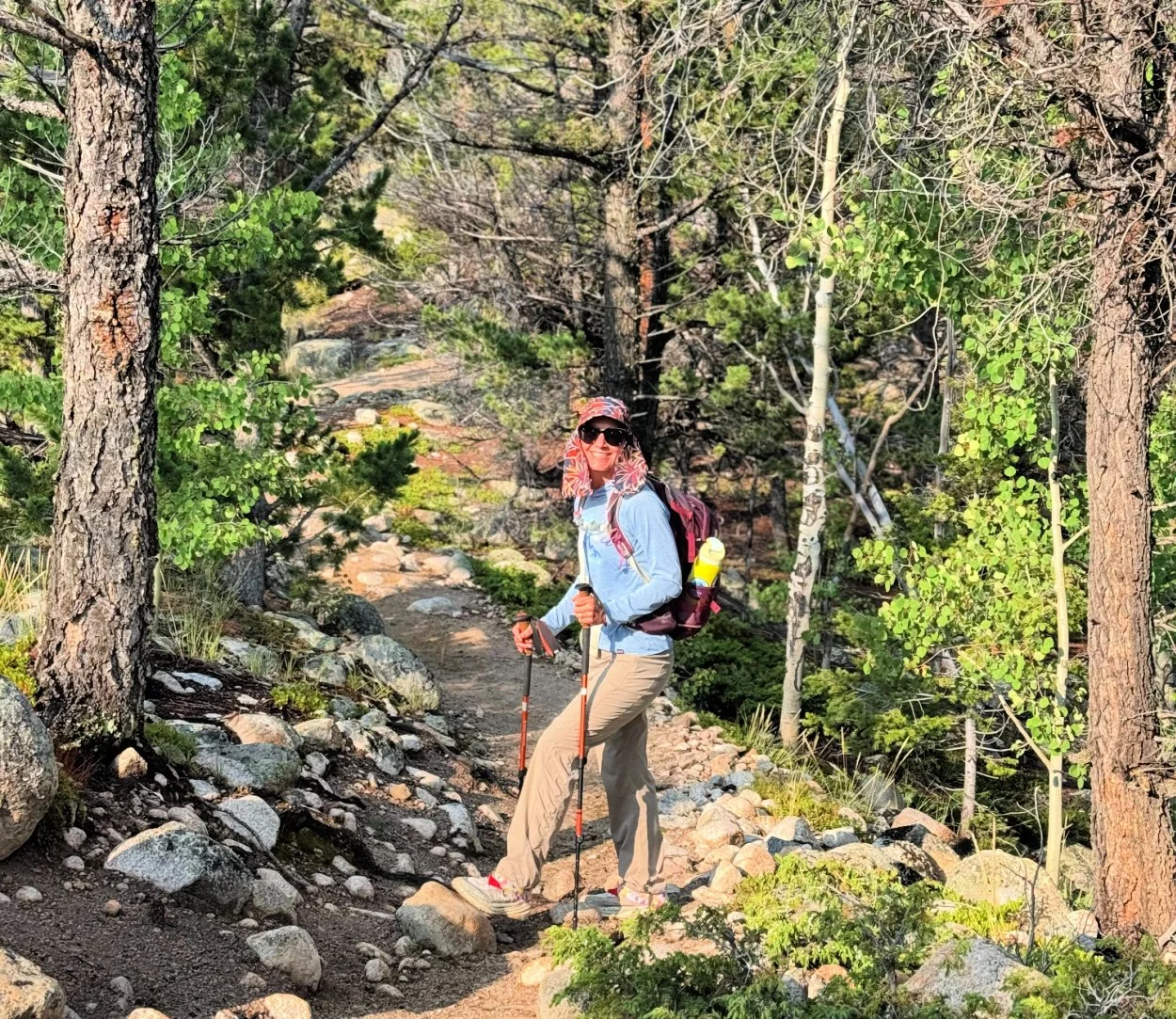
Tackling some of the best Colorado hiking trails requires fortitude and preparation.
The Importance of Hiking Electrolytes: What You Need to Know
Staying hydrated at altitude is the single best way to keep an elevation headache from wrecking a good day on the trail. After years of Colorado hikes and one too many pounding headaches above treeline, here are the electrolytes I actually carry, why they work, and which one is right for which kind of day.
Bringing water is half the battle -adding electrolytes completes the recipe for the best day outside!
We think tackling the best Colorado hiking trails is awe inspiring. Fresh mountain air, pine scented woods, wildflowers in the summer. On backpacking trips you stroll through wide open meadows and then drop into pine forest. Rugged peaks at every turn. The banks of a blue lake begging you to stop for lunch.
BLISS.
The downside to all that altitude beauty is what it does to your body.
For a lot of us it starts with an elevation headache. Get careless and dehydration hits fast, turning into an eye pounding, ferocious headache.
Staying hydrated up high is genuinely hard.
Drinking water is a good start. We are big fans of the hydration reservoir. Snacks rich in potassium (bananas, raisins) and salt (pretzels, anyone?) help too.
But most times we pass 8,000 feet, the dreaded headache shows up anyway. What is the body even doing to make that happen?
Enter the electrolyte
What are electrolytes?
Filling up water bottles with good clean water
These little guys do big things in the body; helping out nerve response, metabolism and muscle function. Potassium, sodium, and magnesium are all electrolytes; minerals that carry an electric charge when dissolved.
When your electrolytes are balanced, you aren’t even aware they are working.
When you’re hiking in the sun at a higher elevation, your body is using these puppies at record speeds.
One of the most known electrolytes, sodium, quickly flees through your sweat. At a higher elevation, you often don’t feel sweaty at all. You even might be a bit cold.
Don’t be deceived.
The dry mountain air has quickly taken your body’s moisture before it can have a chance to sit on your skin. Often you’ll touch your face or arm and feel a chalky salty residue.
Exhausted and hot hiking Rattlesnake Arches in Grand Junction, CO
Why do you need hiking electrolytes?
Hyponatremia: A big word for a big problem
Consuming large amounts of plain water on a hot day can create hyponatremia. This big fancy word means you have too little sodium and too much water in your body.
The very thing you’ve been told to do, hydrate, hydrate, can cause havoc. Things can get serious pretty quickly.
Hyponatremia often starts with an elevation headache, escalating to nausea, confusion, and fatigue. The symptoms often mimic altitude sickness or heat stroke.
Your body is screaming - GIVE ME HIKING ELECTROLYTES STAT.
This is the time to realize It’s time for the Hiker’s Cocktail - electrolytes.
What are the warning signs for electrolyte imbalance?
Heavy legs and slower overall pace
Salty foods don’t taste salty
Nauseousness
Thirst disappears
Elevation headaches
These symptoms mimic altitude sickness and with good reason. A lot of higher elevation issues are resolved by electrolyte hydration.
Should I take electrolytes before or after a hike?

Headed down Barr Trail on Pikes Peak, CO
Both! Keep a stash of electrolyte powder or tablets in your daypack at all times.
Typically we have a water bottle filled with electrolyte powder and water, taking small sips throughout long hikes and backpacking trips.
On Maroon Bells Four Pass Loop backpacking trip, we alternated water and hiking electrolytes throughout our entire three day trek.
On hot summer days along Colorado hiking trails, NUUN is an effective electrolyte powder for endurance. Easy to carry and lightweight while packing a punch in dissolvable tablets, NUUN keeps the elevation headache at bay.
For winter hiking and snowshoeing, Ultima is the best electrolyte powder for hiking snowy trails. No matter what flavor, type or brand you pick, have electrolytes on hand for your Colorado hikes. Ultima also comes in small packets, a top contender for best electrolyte powder for backpacking higher elevations.
Hiking Electrolytes Compared
Here is the quick version, side by side. Skip to whichever one fits the day you have planned.
| NUUN Sport | Ultima Replenisher | LMNT Recharge | |
|---|---|---|---|
| Sodium | 360 mg | 55 mg | 1,000 mg |
| Potassium | 100 mg | 250 mg | 200 mg |
| Magnesium | 25 mg | 100 mg | 60 mg |
| Sugar | None | None | None |
| Sweetener | Stevia | Organic stevia | Stevia |
| Format | Dissolvable tablet | Powder packet / canister | Powder stick |
| Best for | Summer day hikes & the elevation headache | Winter hikes & easy all-day sipping | Hard efforts & heavy sweaters (think marathons) |

NUUN tablets are part of our homemade first aid kit - they go with us on every hike!
NUUN Tablets: Our Summer Trail Default
We give NUUN two thumbs up. Melody found NUUN's little dissolvable tablets by accident while training for the Pikes Peak Ascent. Repeated altitude runs were giving her monster headaches she couldn't shake. A local running store had samples by the register when she was buying shoes.
The headaches stopped once she started using it on runs. Bonus: her gut stayed happy, no rumbling, which is more than she can say for a lot of electrolytes.
We've found NUUN to be one of the simplest ways to keep that pesky elevation headache at bay. These little guys are lifesavers on higher elevation hikes.
NUUN at a glance
Each tablet makes 16 oz and delivers 360 mg sodium, 100 mg potassium, 25 mg magnesium, 13 mg calcium
Under 1 g carbs, fewer than 8 calories, no sugar
10 tablets per tube, around $7
Caffeine free or caffeinated options, 20+ flavors
We're partial to lemon lime and berry. Where to buy: most grocery stores now carry them in the drink mix aisle, and REI and Backcountry stock them too.
Ultima Replenisher: My Year-Round Pick
Dissolve a packet of Ultima in your favorite water bottle for a mid hike mocktail!
Colorado winter hiking does a number on your skin and your system. Let's be honest: it's hard to hydrate while snowshoeing, skiing, or winter hiking. The water is cold, your reservoir hose half-freezes, and you just don't feel like drinking. Then post-trip the headache roars in because you didn't.
Ultima Replenisher has a light, naturally sweet lemon flavor and it's vegan. One cap in 48 oz of water is all you need. Kids and adults both like it. When we're camping we make it fancy with a can of seltzer.
Ultima at a glance
Sugar-free, sweetened with organic stevia, real fruit flavors
Six key electrolytes plus trace minerals
Magnesium, calcium, potassium; no artificial sweeteners
Vegan, gluten free, caffeine free, keto and paleo friendly, Non-GMO
Comes in 30 or 90 serving canisters


The most cost effective way to purchase Ultima Powder is through Amazon. Walmart and Target also carry it.
LMNT: Not For Me, But Maybe For You
My daughter running the Leadville Marathon course
Here's where I'll be honest. LMNT doesn't work for my body.
It's high sodium by design, and that's the whole point of it, but my gut doesn't love that much salt on the trail. I'll leave it at home.
My daughter is a different story. She's a marathon runner, racing the Leadville Marathon this year, and Leadville is no joke. The race climbs above 13,000 feet and the air is thin and dry the whole way. She reaches for LMNT on her long training runs and race days, and it keeps her going when a lighter electrolyte wouldn't cut it.
That's the thing about electrolytes.
The right one depends on the body and the effort. A hard, sweaty, high-output race day asks for more sodium than a wildflower stroll. If you run hot, sweat heavy, or push big efforts at altitude, LMNT may be your match even if it isn't mine.
LMNT at a glance
1,000 mg sodium, 200 mg potassium, 60 mg magnesium per stick
No sugar, sweetened with stevia
Single-serve powder sticks
Best for hard efforts, hot days, and heavy sweaters
How Often Should I take Electrolytes Hiking at Altitude?

Tanya’s hiker’s cocktail on Grand Canyon Rim to Rim to Rim
Really smart people have a lot of opinions on the exact timing. We don't claim to be sports scientists, just seasoned hikers who've had one too many elevation headaches and figured out what works.
Hiking the Grand Canyon Rim to Rim to Rim, we each drank one NUUN tablet in one liter of water every two hours or so. Average temps hovered around 100F.
On summer Colorado hikes we average one NUUN in one liter every three to four hours. Often we'll get back to the car and throw a NUUN in hot or cold water as post-hike headache insurance. Honestly, the best electrolyte is the one you'll actually drink. Pick one and start sipping.
Here’s the deal
Listen to your body. If you start noticing altitude sickness or heat stroke type symptoms, get an electrolyte in you ASAP. You are the best judge of what you need!
Here’s our two cents when it comes to keeping altitude symptoms at bay, staying hydrated and enjoying the best Colorado hiking trails. Try many hiking electrolytes. Determine which are the best electrolytes for your hiking experience. Purchase and use.
Related Posts:
Everything you need to know about hiking the Grand Canyon Rim to Rim in this guide.
Outstanding wildflower hiking in Maroon Bells. Check out how to see those beauts!