The Best Hiking Socks for Colorado Trails (Tested for Years, Not Just One Hike)
Let's talk about the best hiking socks, and why they might be the most underrated piece of gear you own.
Not your boots. Not your pack. Your socks.
I know. Socks are not exciting. Nobody daydreams about socks. But here is the truth after almost 30 years of hiking in Colorado: the wrong pair can end a hike faster than almost anything else. A hot spot at mile two becomes a blister at mile four. A blister at mile four becomes a long, limping walk back to the car.
Suddenly your gorgeous day on the trail is about one square inch of skin on your heel.
The right socks do the opposite. They disappear. You forget they are even on. That is the whole goal.
I have been a Smartwool loyalist for years. They earned it.
But lately my drawer tells a different story, and it is almost all Darn Tough now. Feeture's has quietly taken over too. And the surprise of the bunch? Alpaca. Paka socks snuck in and earned a permanent spot I did not see coming.
So here is my honest, trail-tested take on the best hiking socks. No spec sheets pretending to be reviews. Just what I actually reach for, and why.
If you have not figured out your footwear yet, start there first. We break down hiking boots, shoes, and trail runners in detail, because the sock and the shoe are a team. Then come back here for what goes inside.
Trail running PIkes Peak Mountain with wool socks
Why Socks Matter More Than You Think
Your feet do the work. Every step, every mile, every rocky Colorado descent. The sock is the layer between your skin and everything that can go wrong.
A good hiking sock does four jobs:
Moisture management. Sweaty feet are the enemy. Damp, soft skin rubs and tears, and that is how blisters are born. The right fiber pulls moisture away and keeps your skin drier and tougher.
Blister prevention. This is mostly about fit and friction. A sock that bunches, slips, or sags is a blister waiting to happen. A sock that stays put protects you.
Temperature regulation. Colorado weather does what it wants. You want a fiber that keeps you warm when it is cold and breathes when it heats up.
Cushioning. The padding underfoot and around the heel absorbs impact and saves your feet on the long days.
And the one rule that matters most: never hike in cotton. Cotton soaks up sweat, holds it against your skin, and stays wet for hours. Wet cotton equals cold feet, hot spots, and misery. “Cotton kills” is a hiking saying for a reason. Leave the gym socks at home.
A Quick Word on Materials
Before the picks, it helps to know what your socks are actually made of. There are three players, and the right one depends on you.
Merino wool
The trail standard, and for good reason. Merino wicks moisture, fights odor naturally, regulates temperature, and feels soft instead of itchy like old-school wool. This is what Smartwool and Darn Tough build most of their hiking socks around. If you only know one sock fiber, know merino.
Alpaca
The new favorite, and the one most hikers have not tried yet. Alpaca fiber has a hollow core, which means it insulates better and breathes better than merino, with warmth but no bulk. The big trick is moisture. Alpaca absorbs only about 8 percent of its weight in water, while wool holds 16 to 20 percent. Drier feet, fewer blisters, and socks that resist odor for days. It is also lanolin-free, so it is hypoallergenic and a great pick if merino makes you itch.
Synthetic blends
Nylon, spandex, and similar fibers. You rarely want a pure synthetic hiking sock, but you absolutely want some synthetic in the blend. It adds durability, stretch, quick-dry speed, and targeted cushioning that natural fibers alone cannot give you. The best socks are blends, marrying a natural fiber with synthetic for the best of both.
Here is the short version side by side.
| Sock Type | Darn Tough | Smartwool | Paka | Feeture's |
|---|---|---|---|---|
| Main material | Merino wool blend | Merino wool blend | Alpaca blend | Synthetic blend |
| Best for | Everyday go-to, all seasons | Proven all-around comfort | Multi-day, sensitive skin, hot or cold | Targeted support, fast hikes and runs |
| Cushion | Light to midweight options | No-cushion to full cushion | Targeted light cushion | Zoned, targeted cushioning |
| Moisture wicking | Very good | Very good | Best (lowest water retention) | Good, quick-drying |
| Odor resistance | Very good | Very good | Best | Fair |
| Softness | Soft | Soft | Softest, no itch | Smooth, snug feel |
| Fit and support | No-slip performance fit | Reliable, true to size | Stretchy, arch support | Best (heel-lock, compression) |
| Durability | Excellent | Good | Good (higher nylon blend) | Good |
| Made in | Vermont, USA | Imported | Peru (ethically made) | USA |
| Warranty | Lifetime, unconditional | 2 years | Lifetime | Limited |
Our Top Picks for the Best Hiking Socks
Darn Tough: My Current Go-To
If I grab one pair before a hike without thinking, it is Darn Tough. They have slowly taken over my drawer, and I am not mad about it.
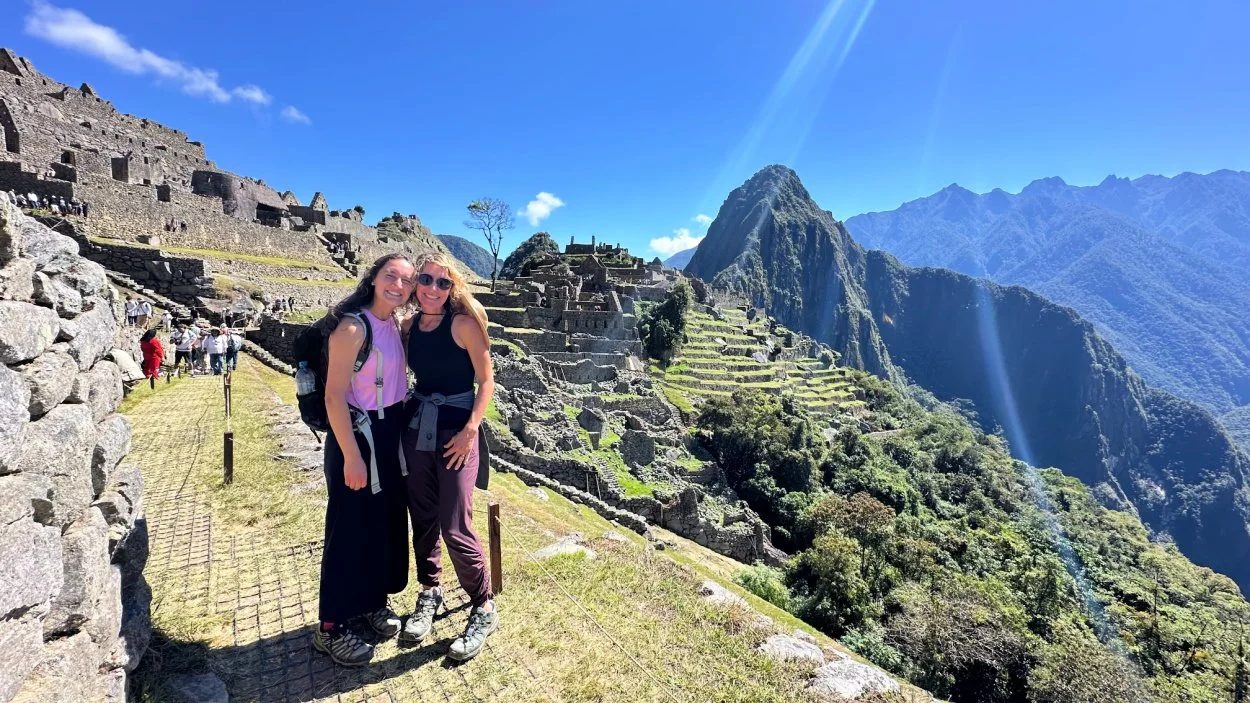
I wore my first pair two years ago, trekking Peru and Ecuador with my eldest daughter. We spent three weeks in those countries, hiking trails and exploring ancient ruins. Washing machines were hard to come by, so these socks went multiple days without a cleaning.
You know what? They did not smell, and they did not rub. My feet stayed warm even hiking at altitudes near 19,000 feet. That trip is what moved Darn Tough to the front of my drawer.
The Light Hiker Micro Crew is the one I reach for most. It is a merino blend, roughly half merino and half nylon with a touch of Lycra, with terry-loop cushioning underfoot and targeted padding over the ankle and Achilles. Mesh panels on top keep it breathable. It sits just above a low shoe or at the top of a standard boot, which makes it my warm-weather and three-season favorite.
For colder days or longer miles, the midweight Hiker Micro Crew adds more cushion.
Two things make Darn Tough hard to beat. First, they are still knit in Vermont, which made-in-USA-loving readers appreciate. Second, the guarantee. It is unconditional and for life. Wear a hole in them, send them back, get a new pair. No receipt, no questions, no time limit. When a sock company is that confident, it tells you something about the sock.
These run a little pricey. The lifetime warranty is exactly why that price is worth it.
Smartwool: The Longtime Love
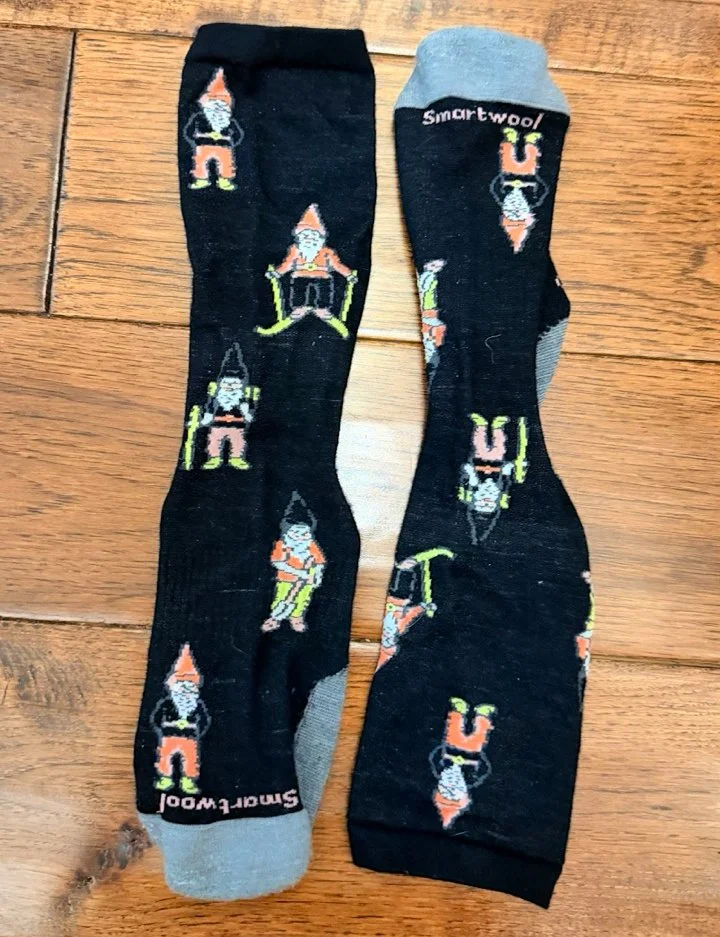
I will never talk down Smartwool. They are the reason I stopped hiking in cotton in the first place, and they are still excellent. They are still in my rotation. They just share the drawer now instead of owning it.
I wear Smartwool year round. Their ski socks have been a steady piece of our whole family's wardrobe for years. But honestly, I love every version they make, from the runners' blend to the over-the-knee. They are reliable. And the colors are just plain fun. The patterns make me smile, and I love the simple comfort of a good wool sock.
Smartwool's merino is soft, reliable, and beautifully temperature-regulating, and their range is huge. The Hike line covers everything from no-cushion to full cushion, and the Performance line leans lighter and runs-friendly. If you want a proven merino sock with options for every season and every cushion level, Smartwool is a safe, comfortable yes.
Honest take: Darn Tough's durability and lifetime warranty are what edged Smartwool out for me lately. But if you already love your Smartwools, keep wearing them. They have earned their place.
Paka: The Surprise Favorite
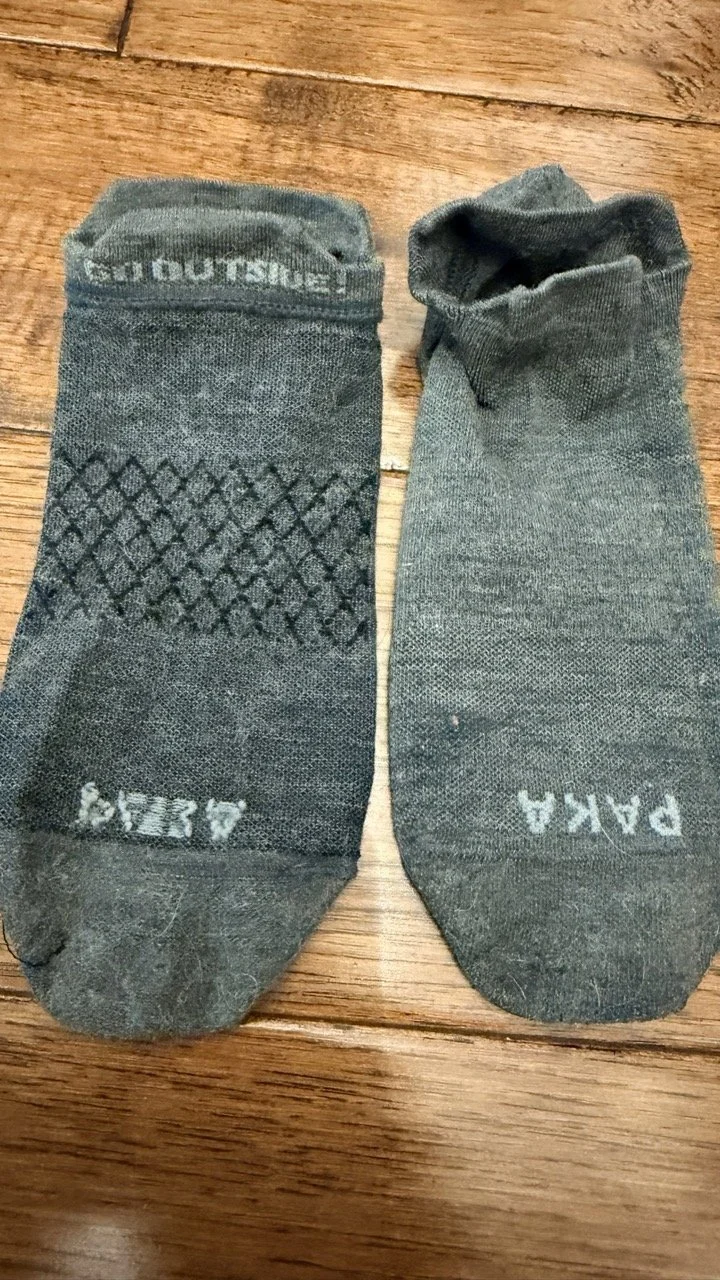
I first wore Paka socks at work, logging 10-hour days on my feet. I was dealing with the embarrassing stinky-feet syndrome that comes with long hours in one pair of shoes. These socks did not just cut the odor. They erased it. And it turned out they worked just as well on trail.
Often I will come home post-shift, throw on my trail runners, and take them for a spin on some of my favorite Colorado Springs trails. No odor, no sweat. Just a simple pair of socks that do the trick.
So this is the pick the big affiliate posts will not have, because most of them have not bothered to try it. I almost did not either. I am so glad I did.
Paka makes alpaca socks, and alpaca is the quiet overachiever of the sock world. The Trail Crew is a blend of alpaca with recycled nylon, tencel, and a little spandex, and the moment you put them on you feel the softness. But softness is not the story. The story is that alpaca holds about half the water that wool does, so on a long, sweaty climb my feet stay drier, fresher, and less blister-prone.
You can wear them multiple days, which I learned to love on trips.
The thing that won me over is the versatility. These go from a hot Colorado afternoon to a cold morning to a long travel day without missing a beat, thanks to that hollow-core fiber that traps heat when you are cold and dumps it when you are hot.
I was skeptical that an alpaca sock could hold up to real trail abuse. The higher nylon content makes them more durable than I expected, and they come with a lifetime guarantee too.
If merino has ever felt itchy to you, or you just want to try the fiber that quietly outperforms it, this is your sock.
Feeture's: The Targeted-Cushion Workhorse
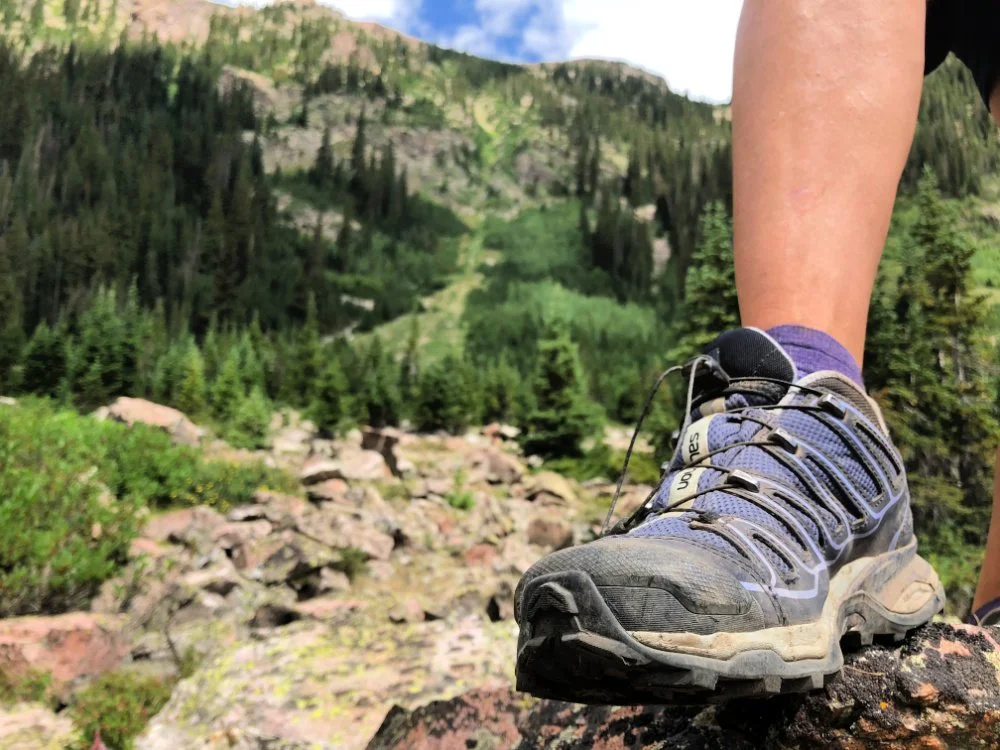
Feeture's took up residence in my drawer and on my feet, and they earn the spot by doing something the wool and alpaca socks do not lead with: precision.
I first heard of Feeture's when I was ordering them for one of my shops. Curious how they would stack up against my Smartwool and Darn Tough running socks, I tried a pair myself. I was pleasantly surprised.
They are light, they are durable, and they wash really well, which matters because mine are in the machine a lot.
The pair I reach for is the High Performance Max Cushion Quarter. Despite the max cushion name, they stay light underfoot, with targeted compression, real arch support, and a heel-lock fit that keeps them from slipping. They are quick-drying and built for fast hikes and trail runs.
What I love most is how easy they make a last-minute trail day. I can go straight from hanging out at home to lacing up for a spur-of-the-moment hike without a second thought.
They round out the lineup nicely. Where merino and alpaca lead with natural-fiber comfort, Feeture's leads with structure and fit.
How to Choose the Right Hiking Sock for You
The “best” sock is the one that matches your feet, your shoes, and your trail. Here is how to narrow it down.
Cushion weight
This is the big one. No-cushion and light-cushion socks are cooler and better for hot days, trail running, and lower-mileage hikes. Midweight and heavyweight add padding for long days, rocky terrain, heavier packs, and cold weather. When in doubt, light cushion is the most versatile starting point.
Height
Match it to your footwear. Micro crew or ankle height works with low shoes and trail runners. Crew height clears the top of a standard boot and protects against rubbing. Go taller, knee-high, when you are in gaiters, snow, or brushy terrain.
Fit and sizing
A hiking sock should fit snug with no extra fabric bunching at the toe or heel. Many brands offer women's-specific sizing with a narrower heel, which genuinely helps prevent slipping. Buy your size, not a size up.
Match the sock to the shoe. A low trail runner wants a low sock. A stiff boot wants a sock tall enough to clear the cuff. Your sock and your shoe are a system. Dial them in together, and check our footwear guide if you are still deciding on the shoe.
Caring for Your Hiking Socks
Good socks last for years if you treat them right.
Wash them in cold water on a gentle cycle, turned inside out. Skip the bleach and the fabric softener, both of which break down the fibers and the elastic. Tumble dry low or hang to dry. That is really it.
Wool and alpaca both resist odor, so you can wear them more than once between washes, which is a gift on backpacking trips. And if your Darn Toughs or Pakas ever wear through, remember the lifetime guarantee. Box them up, send them in, get a fresh pair. A worn-out sock is not the end. It is a free replacement.
Hiking Socks FAQ
Are merino wool socks worth it?
Yes. Merino wicks moisture, resists odor, regulates temperature, and feels soft, not itchy. It costs more than cotton or basic synthetics, but it lasts longer and performs far better on the trail. For most hikers, merino is the easy answer.
Are alpaca socks better than merino?
In a few ways, yes. Alpaca holds about half the moisture of wool, so your feet stay drier and the socks resist odor even longer. It is warmer without bulk, and it is hypoallergenic for itch-prone skin. Merino still has a wider range and more cushion options. Try alpaca if you want drier feet or merino bothers your skin.
How many pairs of hiking socks do I need?
For day hiking, two or three good pairs go a long way. For backpacking, plan one pair to hike in plus a clean, dry pair to sleep in, and rotate so a damp pair can dry on your pack. Quality over quantity. A few great pairs beat a drawer full of mediocre ones.
Can you hike in regular socks?
You can, but you probably will not enjoy it. Cotton athletic socks hold sweat against your skin and dramatically raise your blister risk. A proper hiking sock in merino, alpaca, or a performance blend is one of the cheapest upgrades to a more comfortable hike.
Do I really need to spend more on hiking socks?
A little, yes. The good ones cost more up front but last for years, prevent blisters, and several come with lifetime guarantees. Spread across hundreds of miles, they are a bargain.
The Bottom Line
Your feet are the foundation of every hike. Take care of them, and the trail opens up. Ignore them, and one blister can shrink your whole day.
My drawer has changed over the years, and that is the honest part. Smartwool taught me to care about socks. Darn Tough earned the everyday spot with its durability and that unbeatable warranty. Feeture's won me over with fit and support. And Paka surprised me completely, proving alpaca might be the best-kept secret in hiking socks.
Try a pair. Your feet will tell you the rest.